
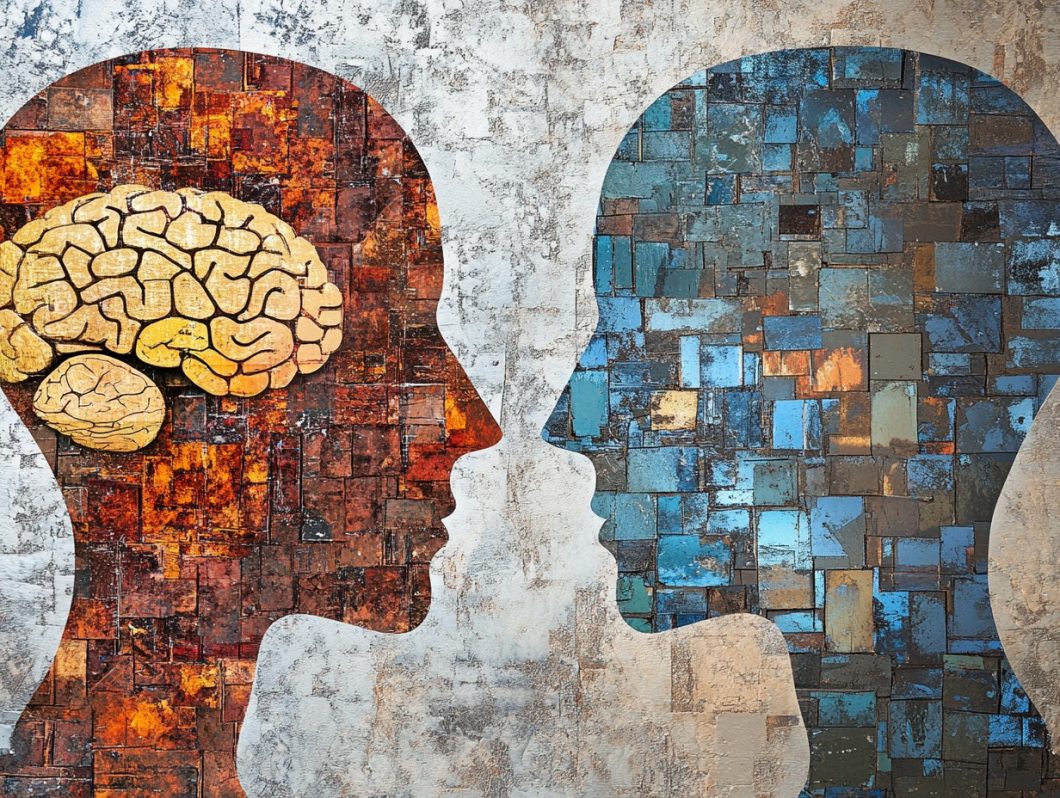
With every new invention or technology, the way humans work continues to evolve. History shows us that progress rarely stops. Tools improve, systems change, and work adapts. Every breakthrough seems like a game changer in its moment, and while many ad-hoc practices get replaced, we also see a growing need for more advanced thinking to guide those tools toward better results.
The same applies to AI. We’ve already seen how AI has transformed entire fields. Tasks that once required hours of manual effort are now streamlined, automated, or even predicted with surprising accuracy. It’s undeniable that AI is changing how we operate.
But one thing remains clear. It hasn’t replaced the role of human leadership. In fact, as the volume of work increases and the pace accelerates, the need for smart direction is growing too. AI can handle more, but it needs someone who knows where to steer it.
AI May Be Fast, But It Can’t Think Ahead for You
AI excels at handling repetitive, structured, and data-heavy tasks. But foresight, context, and prioritization still come from people. While AI can assist in strategy, it can’t define what truly matters or why it matters. It operates within boundaries. Boundaries only human judgment has the power to shape.
Smart Tools Raise the Standard, Not Reduce the Effort
Rather than replacing human effort, AI shifts it. Now the demand is for sharper decisions, quicker reactions, and clearer goals. You’re expected to work smarter, not just faster. This raises the bar for leaders at all levels.
Your Real Advantage Is How Effectively You Use the Tools
The edge doesn’t come from the tool itself. It comes from the person using it. Two teams using the same AI system won’t perform the same. The difference lies in clarity of vision, strategic discipline, and the ability to use insights, not just generate them.
What Sets You Apart and Always Will
One of the most important roles of being human has always been the ability to keep learning and evolving. Without it, survival and growth begin to decline. If the process of learning stops, everything else starts to fall behind.
The kind of AI we interact with today was astonishing to the version of us from a decade ago. But now, our focus should be on enhancing our strengths at a higher pace. That requires sharper decision-making not just from those already leading, but also from people at entry level. Everyone needs to build the ability to lead, think critically, and act with clarity.